
We all hate surge pricing, but it's a great way for Uber and its drivers to capture more value. What if GrubHub, Starbucks, etc. charged customers more during peak hours in order to pay service workers better? Could we ever break the cycle of reliance on cheap labor?

When fruit flies, it fails. Industrial agricultural practices have brought us berries in January, but at the cost of quality. Read about why harvesting heirloom varieties is important for taste, small farmers, and the environment.

It used to be that the strongest hunter had the most value in society. Today, the nerdy ideas man has the most worth. What happened?

Innovation is cyclical and inspired by other innovation. For example, this article was inspired by my purchase of innovative new ice cube trays. Read about how product variety is created, and how it can be a bad thing.

Most people could tell you that oil and energy is critical to our economy and planet. In fact, energy is the foundation of all growth, but it isn't included in our economic models. Here's why the discipline of economics needs to be re-organized.

The rise of American affluence gave us the luxury of choice and ability to be picky about what we like. Combined with newly formed marketing and advertising industries, consumer preferences developed that made perfect substitutes an economic unicorn. (If you don't know what a perfect substitute is, no worries, read on!)

Regulation in the last few years has made the stock market much less profitable, much to the chagrin of finance professionals (such as the pictured men). Is this a good or bad thing? To answer, we must decide who the stock market exists for.

When you take a hard science (mathematics) and a soft science (philosophy) and mash them together, what do you get? Economics, the hardest of the soft sciences!

Social trust has been found to affect GDP. It's lower among minorities. (Perhaps why the individuals trust-falling in this stock photo are white?)

I recently read an article by Will Davies that brought up an interesting question: How did mounting inequality succeed in proving culturally and politically attractive for as long...
Will a big engagement ring buy you happiness? What about donating blood? How do you properly motivate someone? If you are looking for a job, is city size a factor? Why are smartphones important for the poor to have? All this and more.

Do middleman apps make our lives better? What about the lives of their employees? Do Uber-like services improve consumer welfare? How do recessions affect birth rates? Why does the US have relatively high infant mortality?
Find the answers to all these questions and more.

All about the labor market. Learn how cutting unemployment benefits affects the economy, people with good social skills make a lot more money (shocker!), Twitter can predict unemployment better than the government, and more.


Have you ever wondered how many marijuana dealers there are in the US? The DEA has, too.

In socialist Venezuela, rising inflation & a ban on currency trading are leaving many struggling to survive. A few industrious groups of workers have been...

A favorite argument of politicians for low state taxation may be undermined by a new study indicating that state taxes have a negligible impact on Americans’ interstate moves. About 55% percent of moves were due to...

Who really has influence over government policy? * Some Princeton researchers have analyzed policies and influence, finding...
It used to be that the strongest hunter had the most value in society. Today, the nerdy ideas man has the most worth. What happened?

How is Noble award winning economist Robert Lucas similar to the philosopher Hegel? Both recogonized that policy and theory are intrinsically rooted in their time.
When you take a hard science (mathematics) and a soft science (philosophy) and mash them together, what do you get? Economics, the hardest of the soft sciences!
I recently read an article by Will Davies that brought up an interesting question: How did mounting inequality succeed in proving culturally and politically attractive for as long...

Price discrimination is a way that companies can make more money by understanding how much different consumers will pay for the same good. Here's how it works.

Do you ever forget the difference between nominal and real? Do you wonder why financiers analyze Yellen's words like a text from a crush? If so, this is the article for you!
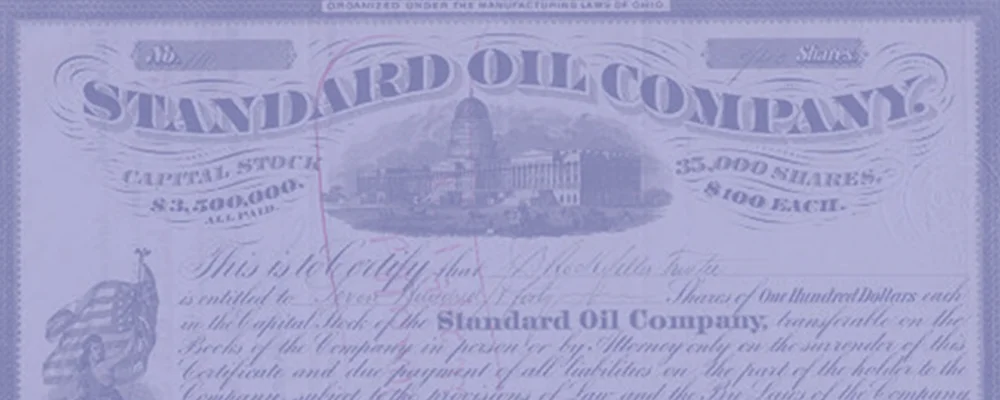
You may hear the terms horizontal and vertical integration tossed around in business (Businesspeople love fancy strategy terms). Learn how Standard Oil used integration to become a monopoly and how one might benefit from integration today.

Indifference curves are not graphs of who cares less, rather, they show different combinations of goods that can give a person a certain level of utility, or well-being.

Does this man look like he is substituting or complementing these apples? Trick question: apples are inanimate, and can't be complimented.

Did you know that higher gas prices might be better for us all? Industrialism is great, but creates negative externalities, such as pollution. Pigovian taxes reduce negative externalities and aim to also reduce distortionary taxes, like income tax. Win-win!
When you're rolling in cash (or broke as a joke), how does your behavior change? The income and substitution effect explain reactions to almost any change in price or income.

From production functions to early childhood development, human capital is a recipe for success. Learn about its applications, implications, and determinants.

A lesson in how not to create taxes, and explanations about a few kinds of taxes. Fun fact - a progressive tax is not a tax "favoring social reform", as the word "progressive" might imply.

You have died of dysentery! Wait. Not that kind of frontier... The production possibility frontier shows different trade-offs in production.
Inequality is quite the hot topic these days, and one of the best ways to measure it is the Gini Index. The Gini index was created by Corrado Gini in...
When evaluating proposed or existing policy measures, economists & government officials typically aim to improve the lives of others. The objective of any given tax, welfare, or law change...

This edition of Deciphering Data brings you the answers to all these pressing questions and more:
- At what time of year do most break-ups happen?
- Why are tiger-moms a thing in the US and China?
- How do different people around the world think success happens?
The best data visualizations from around the web. Learn about online dating, music tastes, political preferences, violence, and earthquakes.

Money represents a social agreement, which has implications for how we value wealthy people. Bitcoin replaces the need for this social agreement with technology, and in doing so challenges the values we ascribe to wealth.

Females are prescribed psychiatric drugs at much higher rates than men. Females also tend to be more emotional (wide generalization). Processing emotions takes time, and time spent on emotional work is time NOT spent generating revenue. Ultimately, the trend of medicating female emotion (and emotion in general) is a money-driven one.
We all hate surge pricing, but it's a great way for Uber and its drivers to capture more value. What if GrubHub, Starbucks, etc. charged customers more during peak hours in order to pay service workers better? Could we ever break the cycle of reliance on cheap labor?

What's the economic explanation behind the rise of the term "basic"? Is this a new phenomenon, or merely a quality of human nature evident due to economic and technical changes?
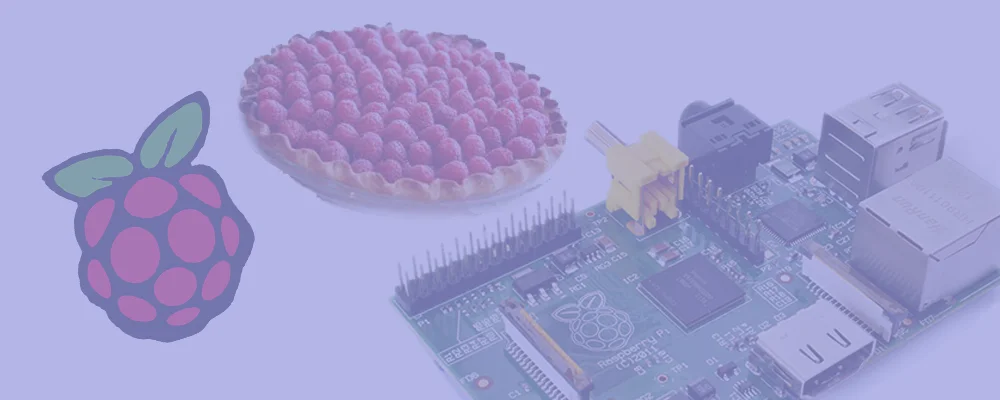
Would you pay $35 for a Raspberry Pi? No, not the food, it's a miniature computer! This device can be revolutionary for the 75 million Americans without internet access.
It used to be that the strongest hunter had the most value in society. Today, the nerdy ideas man has the most worth. What happened?
Innovation is cyclical and inspired by other innovation. For example, this article was inspired by my purchase of innovative new ice cube trays. Read about how product variety is created, and how it can be a bad thing.
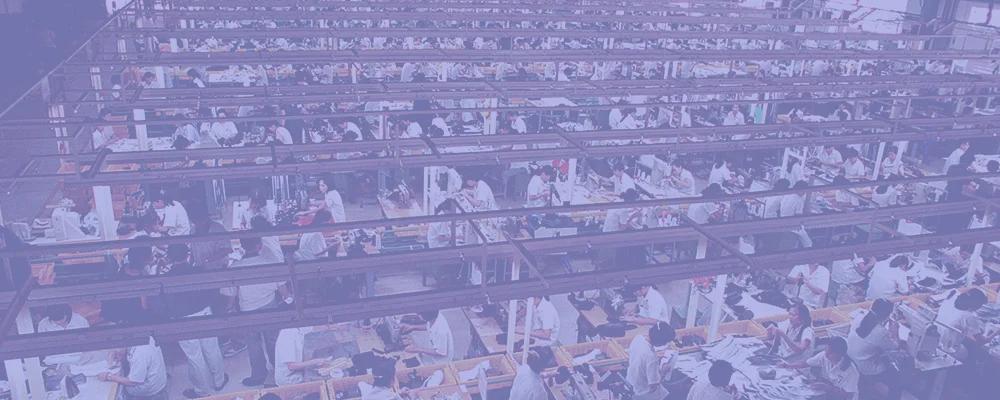
America is in trouble if the cost of Third World labor increases. As has been the tradition for all of human history, our economic success depends on the accessibility cheap and near-slave labor. How can we grow when this ends?

Regulation in the last few years has made the stock market much less profitable, much to the chagrin of finance professionals (such as the pictured men). Is this a good or bad thing? To answer, we must decide who the stock market exists for.
How is Noble award winning economist Robert Lucas similar to the philosopher Hegel? Both recogonized that policy and theory are intrinsically rooted in their time.
When you take a hard science (mathematics) and a soft science (philosophy) and mash them together, what do you get? Economics, the hardest of the soft sciences!

Correlation does not equal causation
is a great rule of thumb.
If you always follow it,
you'll avoid looking dumb!
Social trust has been found to affect GDP. It's lower among minorities. (Perhaps why the individuals trust-falling in this stock photo are white?)
I recently read an article by Will Davies that brought up an interesting question: How did mounting inequality succeed in proving culturally and politically attractive for as long...
It used to be that the strongest hunter had the most value in society. Today, the nerdy ideas man has the most worth. What happened?

Some would claim that it is human nature to capitalize upon opportunities. Arbitrage was born of this human urge to take advantage of money-making opportunities.
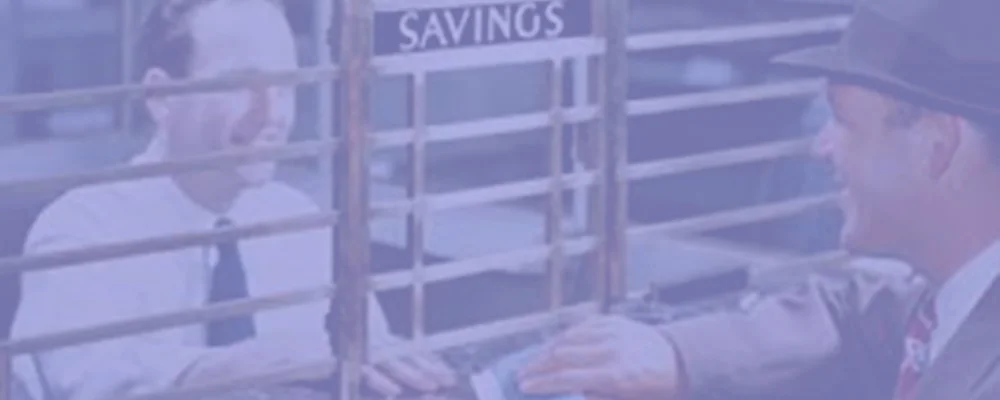
Don't be like this guy and let your money sit in the bank. Start investing with some simple tips!
Regulation in the last few years has made the stock market much less profitable, much to the chagrin of finance professionals (such as the pictured men). Is this a good or bad thing? To answer, we must decide who the stock market exists for.

Anyone who has ever filled up gas (or driven by a gas station… or followed the news) can tell you that prices tend to change unpredictably. So, why...

Efficient appliances seem like a great way to reduce our energy use, right? Wrong - in the long run, they end up causing massive increases in energy use due to cost reductions.

"Run out of oil? Never!"
In all likelihood, this won't transpire, but if you aren't familiar with the idea of peak oil (or like to deny it), answer all your questions here.
Most people could tell you that oil and energy is critical to our economy and planet. In fact, energy is the foundation of all growth, but it isn't included in our economic models. Here's why the discipline of economics needs to be re-organized.
Females are prescribed psychiatric drugs at much higher rates than men. Females also tend to be more emotional (wide generalization). Processing emotions takes time, and time spent on emotional work is time NOT spent generating revenue. Ultimately, the trend of medicating female emotion (and emotion in general) is a money-driven one.